
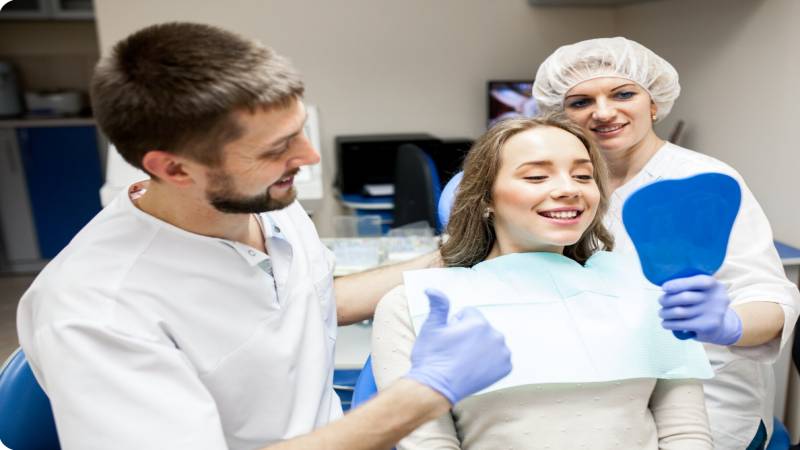
You are not just choosing someone to clean teeth. You are choosing who your child will look at when they feel scared in a chair, who will notice changes before they turn into pain, and who will become part of your family’s routine year after year. That can feel like a lot. If you have ever switched offices, repeated your dental history three times, or tried to calm a nervous child while filling out forms, you already know how much comfort matters. Finding a patient-focused emergency dentist in Joliet, IL can make that experience feel more supportive and less overwhelming.
How Family Dentistry Provides Comfort Through Familiarity and Trust comes down to something simple. The more your dentist knows you, the easier care becomes. A family dental office often sees parents, children, and sometimes grandparents under one roof, which builds consistency. Faces become familiar, visits feel less tense, and decisions get easier because trust is already there.
Family dentistry creates stability across every stage of care
Dental anxiety rarely appears out of nowhere. It grows from rushed visits, pain, unfamiliar settings, or the feeling that no one remembers you. Children pick up on that quickly. Adults do too, even if they hide it better. When your household sees the same family dentist over time, the experience changes. Staff members remember names, preferences, past treatments, and small details that make appointments smoother.
That familiarity matters when life gets busy. A six year old may need help learning brushing habits, a teenager may need guidance about sports guards or wisdom teeth, and a parent may be dealing with gum sensitivity or a cracked filling. Seeing one office for different needs lowers friction. You are not starting from zero each time.
The American Academy of Pediatric Dentistry supports the idea of a dental home, which means having an ongoing relationship with a dental provider who knows the patient and can guide preventive and routine care over time. That sense of continuity is one reason families often feel more settled when they have one trusted dental team.
Trust lowers stress before problems turn into bigger ones
People delay dental visits for reasons that make complete sense. Money is tight. Schedules are packed. Someone had a bad experience years ago and never really got over it. A child says their tooth hurts, then acts fine the next morning, so the visit gets pushed off. That is how small issues become urgent ones.
Trust changes that pattern. When you already know the office, calling feels easier. You are less likely to put off a checkup or ignore a new symptom. You are more likely to ask questions early, when treatment is simpler and less expensive.
That matters with common problems like cavities. MedlinePlus explains the basics of tooth decay, and the pattern is familiar to many families. Plaque builds, enamel weakens, and what starts as a small spot can become pain, infection, or a more involved procedure. A trusted dental relationship does not prevent every issue, but it often helps you catch them sooner.
Trusted family dental care also helps when emotions run high. A child who has seen the same dentist for years is often less fearful during X rays, fillings, or first visits for a loose tooth that does not feel normal. An adult who feels embarrassed about neglected care may finally come in because they expect respect instead of judgment. Familiarity softens shame, and shame keeps people away from treatment more than many realize.
Consistent family dental care makes everyday logistics easier
Comfort is emotional, but it is practical too. One office for multiple family members can mean fewer forms, fewer calendar gaps, and fewer stories repeated at the front desk. If one child needs extra time because they are anxious and another needs a routine cleaning, a family centered practice is often set up for that rhythm.
That kind of consistency also helps with communication. You hear the same preventive advice over time. You know how reminders work. You know who to call after a chipped tooth or sudden swelling. When care feels predictable, it becomes easier to keep up with it.
| Situation | Care with a familiar family dental office | Care without an ongoing relationship |
|---|---|---|
| Routine checkups | History, preferences, and family patterns are already known | More time spent reviewing records and rebuilding context |
| Nervous child visit | Staff may already know calming strategies that work | Child faces a new setting and unfamiliar people |
| Early cavity or gum issue | Changes are easier to spot because past exams are familiar | Subtle shifts may be harder to compare without continuity |
| Busy family scheduling | Multiple appointments may be coordinated more easily | Care may be split across offices with separate systems |
| Emergency concerns | You know who to call and the office knows your background | Urgent care may start with intake, records, and guesswork |
Small steps help you build a stronger dental relationship
- Choose continuity over convenience alone.
The closest office is not always the best fit if every visit feels rushed or disconnected. Look for a practice where your family can return over time and feel known, not processed.
- Share fears and patterns early.
Tell the office if your child gets overwhelmed, if you have dental anxiety, or if certain appointment times work better for your family. Good care improves when the team understands what makes visits easier for you.
- Treat preventive visits as relationship building.
Cleanings and exams do more than maintain teeth. They build comfort before a bigger issue shows up. Regular visits help the dentist earn trust when the stakes are low, which makes harder moments more manageable later.
Familiar care gives your family room to relax
You should not have to brace yourself every time someone in your home needs dental care. A steady relationship with a family practice can reduce fear, improve follow through, and make decisions feel less overwhelming. Family dentistry works best when it gives you more than treatment. It gives you recognition, consistency, and the sense that your family is in known hands.
If you are looking for a dental home that feels steady and personal, consider scheduling a visit with a family dentist who can grow with your household over time.See More